
Dawn — Senior Seller Finance Note Advisor & Analyst
Moxxie Asset Group · Ft. Lauderdale, FL
Key Takeaways
- →You don’t need everything figured out — start with what you have, even if it’s incomplete
- →You step into the original holder’s rights — keep collecting payments, or sell if that’s right for you
- →Splitting an estate is a family decision — keep, sell and divide, or handle it another way
- →There’s no pressure to decide now — a free valuation can simply inform the conversation
If you’ve inherited a seller-financed mortgage note, or you’re handling one as part of settling an estate, you’re probably dealing with more than just a financial question right now. Maybe you’re dividing assets with siblings after losing a parent. Maybe you’re untangling paperwork for someone who’s gone, trying to figure out what they actually left behind. Maybe this note is tangled up in a family situation that’s more complicated than just numbers on a page.
We understand these decisions aren’t always purely financial, and we want to treat your situation with the care it deserves, not rush you toward a decision before you’re ready to make one.
You Don’t Need to Have It All Figured Out Right Away
If you’re not even sure what you have, that’s genuinely okay. Inherited notes often come without a complete paper trail. The person who originally created the note may not have left behind every document, and you may be starting from a folder of paperwork you don’t fully understand, or no paperwork at all. You’re not expected to arrive with everything organized and explained. Start with what you do have, and we’ll help you understand the rest.
What You Might Be Holding
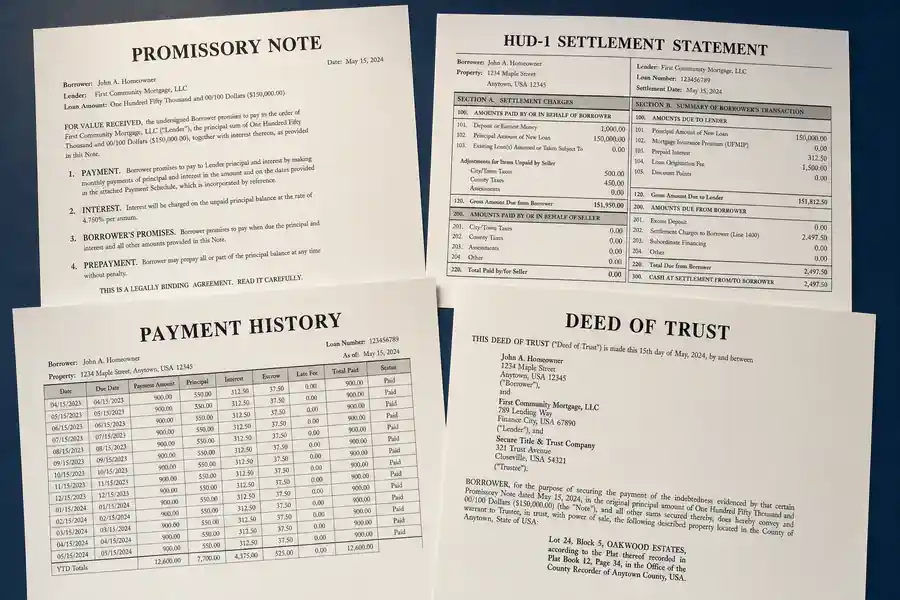
A few things worth knowing as you sort through this. The note itself is a promissory note, a document representing someone else’s promise to pay, secured by a mortgage or deed of trust against a property. As the new holder, whether through inheritance, a trust, or an estate distribution, you generally step into the same rights the original note holder had, to continue collecting payments, or to sell the note if that’s the right decision for you.
If you’re splitting an estate with siblings or other beneficiaries, you may need to decide together whether to keep the note, sell it and divide the proceeds, or handle it some other way entirely. That’s a family conversation as much as a financial one, and there’s no single right answer, it depends on what makes sense for everyone involved.
Selling doesn’t have to be all or nothing, either. Some beneficiaries prefer a partial note sale, selling a portion of the remaining payments for a lump sum now while keeping the rest of the payment stream, which can make it easier to divide an estate without giving up the note entirely.
There’s No Pressure to Decide Right Now
One of the most common things we hear from people in this exact situation is relief that they don’t have to decide anything immediately. You can simply get a free, no-obligation valuation to understand what the note is actually worth today. That number alone can be useful information for an estate conversation, even if you’re not ready to sell, or never plan to.
If you do decide selling makes sense, whether it’s to simplify an estate distribution, because managing an inherited asset isn’t something you want to take on, or for any other reason that’s right for you, we’ll walk you through exactly how that works, in plain language, at whatever pace you need.
A Few Practical First Steps
If you’re ready to start getting oriented, here’s what’s genuinely helpful to gather, though none of it is required before you reach out:
- Any paperwork related to the note: the promissory note itself, a mortgage or deed of trust, closing documents
- Any record of payments received, if the previous note holder kept track
- Basic information about the property: the address, and roughly what’s still owed, if you know it
If you don’t have any of this yet, that’s fine too. We can help you figure out what exists and how to track it down.
We’re Here When You’re Ready
Whether you’re months into sorting out an estate or you just found out about this note last week, there’s no timeline you need to follow. We offer a free, no-obligation review whenever you’re ready, no pressure, no rush, just honest answers to help you make the decision that’s right for your family.
📞 954-466-7111
🌐 www.MoxxieAssetGroup.com
Disclaimer: This post is for informational purposes only and does not constitute legal or tax advice. Estate and probate rules vary by state, so consult a qualified estate attorney or tax professional about your specific situation.
Frequently Asked Questions
Can I sell a mortgage note I inherited?
Yes. As the new holder, whether through inheritance, a trust, or an estate distribution, you generally step into the same rights the original note holder had, including the right to keep collecting payments or to sell the note. Our team can review it at no cost. Gather your mortgage or deed of trust (depending on your state), the promissory note, and any payment records you have. If you decide to sell, closing typically takes 3–5 weeks when all documents are received and title is clear.
What if I don’t have all the paperwork for an inherited note?
That’s okay. Inherited notes often come without a complete paper trail. Start with what you do have, even if it’s a folder of documents you don’t fully understand or no paperwork at all, and we’ll help you figure out what exists and how to track it down.
Do I have to decide right away whether to sell an inherited note?
No. You can get a free, no-obligation valuation to understand what the note is worth today. That number can be useful for an estate or family conversation even if you’re not ready to sell, or never plan to.